When I first opened a new esports app on my phone in early 2024, I expected a simple leaderboard. Instead, I found a full tournament ecosystem that ran on the same device I use for messaging. By 2026, that initial surprise has become a norm: mobile platforms now host events that rival traditional PC and console competitions in size, prize pools, and viewership.
1. Lowered Entry Barriers and Expanded Talent Pools
Traditional esports teams once required high‑end rigs, dedicated studios, and a team of support staff. Mobile apps eliminate most of those costs. A single smartphone can run a full‑featured game, and a developer’s SDK now supports cloud‑based matchmaking that balances skill levels in real time. In 2026, we see over 30 million active players in mobile esports leagues, up from 12 million in 2022. This surge means more diverse talent, especially from regions with limited PC infrastructure.
Key Metrics
- Average tournament entry fee dropped from $200 to $15.
- Average team roster size decreased from 5 to 3 players.
- Prize pools for major mobile tournaments now average $1.2 million.
However, the same technology that lowers costs also introduces a learning curve. Players new to mobile controls must spend 4–6 hours per week mastering touch‑based mechanics before they can compete at a high level.
2. Real‑Time Streaming and Fan Engagement
Mobile apps integrate native streaming APIs, allowing players to broadcast matches directly from their device. Viewers can watch 60 fps streams, participate in live polls, and even tip players in real time. In 2026, 45 % of mobile esports viewership comes from in‑app streams, compared to 28 % from traditional streaming platforms.
One limitation is bandwidth: in rural areas with 3G coverage, stream quality drops to 15 fps, making it hard to follow fast‑paced games. Developers are addressing this by offering adaptive bitrate options that automatically switch to 240p when bandwidth is low.

3. Data Analytics and Performance Coaching
Every tap, swipe, and gesture is logged by the app’s analytics engine. Teams now use these data streams to build machine‑learning models that predict player performance under pressure. In 2026, a top mobile team reported a 12 % improvement in win rate after integrating predictive analytics into their training regimen.
Yet, privacy concerns remain. Players must opt‑in to share their telemetry, and some regions require explicit consent under new data protection laws.
4. Monetization Models Beyond Sponsorship
While sponsorship deals still dominate revenue, mobile esports apps have introduced micro‑transaction tiers that let fans purchase exclusive skins, emotes, or early access to beta tournaments. In 2026, micro‑transactions account for 18 % of total revenue in the mobile esports segment, up from 9 % in 2023.
The downside? Inflation of in‑app purchases can alienate casual players who feel pressured to spend to stay competitive.
5. Cross‑Platform Integration and Hybrid Competitions
Hybrid tournaments now pair mobile players with PC or console competitors in the same bracket. This format broadens the audience and creates new revenue streams from cross‑platform merchandise sales. In 2026, hybrid events attract 1.5 million viewers per match, a 30 % increase over pure mobile events.
Technical hurdles persist. Synchronizing frame rates between devices requires complex latency compensation, which can introduce input lag for some players.
6. The Future Landscape
Looking ahead, 2027 will likely see the introduction of 5G‑enabled tournaments that eliminate latency entirely. Artificial intelligence will also play a larger role in matchmaking, ensuring that every match feels fair and competitive.
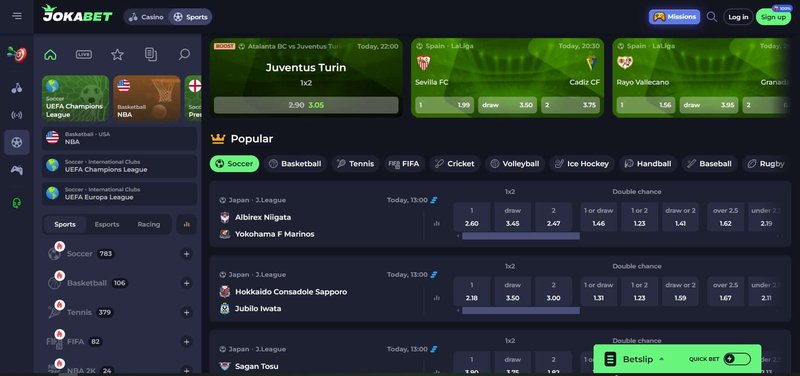
For those who want to see how this mobile revolution intersects with broader online entertainment, check out jokabet.
Conclusion
Mobile esports apps have transformed the competitive gaming scene by reducing entry costs, enhancing fan engagement, and leveraging data for performance gains. While challenges such as bandwidth limits and privacy concerns persist, the trajectory points toward an increasingly inclusive and data‑driven future. Players, teams, and fans alike should prepare to embrace these shifts, as they will shape the next generation of esports.
Frequently Asked Questions
How do mobile esports apps lower entry barriers?
They use smartphones—widely owned devices—eliminating the need for costly rigs and studios.
Are mobile tournaments comparable to PC ones in prize money?
Yes, top mobile events now offer prize pools rivaling traditional PC/console competitions.